Bleeding gums, gum recession, and loose teeth are all signs of periodontal disease – a silent, progressive condition that affects the structures supporting your teeth. Slowing bone loss and controlling the disease early protects your oral health and reduces the risk of further complications.
Gray Family Dental provides periodontal evaluations and care to patients in Janesville and the surrounding area. Schedule an appointment to find out whether periodontal treatment is right for your needs.
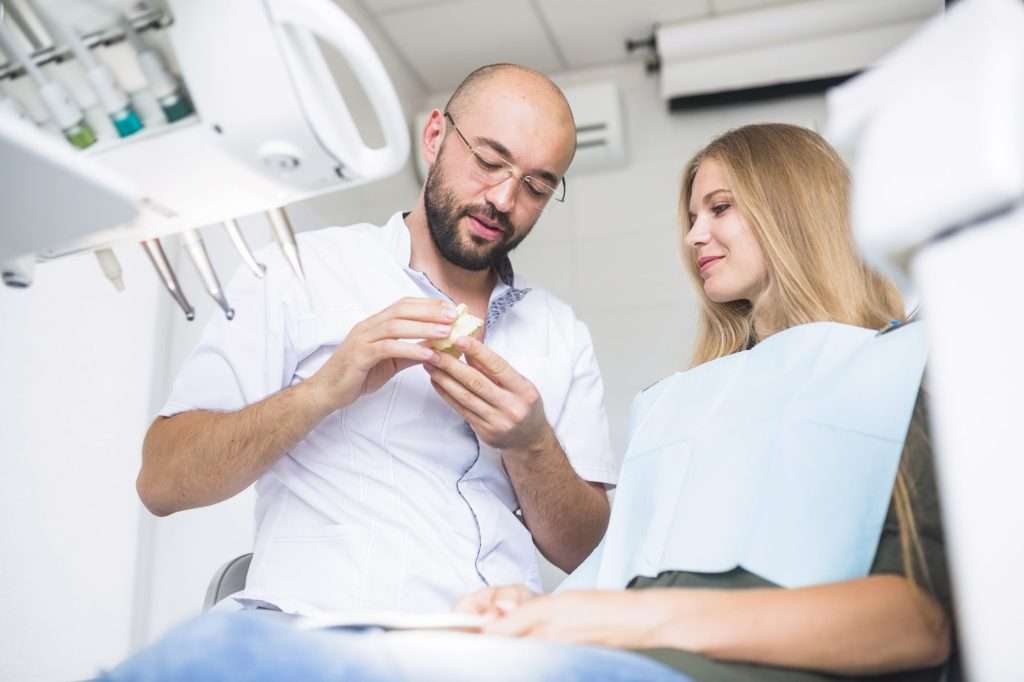
Periodontics is the dental specialty that treats and prevents periodontal disease affecting the gums, the periodontal ligaments, and the bone supporting your teeth.
The core focus is diagnosing gum disease and controlling how far it progresses. Gum disease is an inflammatory condition, and it has been associated with other serious health issues such as diabetes and heart disease.
Gum disease is usually painless in the early stages. Some people feel very little discomfort but have other symptoms. Left untreated, it worsens and can lead to serious complications.
Gums that bleed during brushing, flossing, or chewing hard foods may signal inflammation caused by bacterial plaque.
Persistent bad breath or a bad taste that does not go away after brushing may come from bacteria deep inside periodontal pockets.
Gums that constantly look red and feel sore to the touch are a sign of the inflammation associated with gum disease.
Gums pulling away from the teeth make them look longer. As the disease progresses, the tissue recedes and exposes the tooth roots.
Teeth may become particularly sensitive, sometimes painful, with hot, cold, acidic, or sweet foods and drinks.
A loose tooth or a new gap can mean the disease has destroyed bone and the ligaments holding the tooth in place.
You may notice a change in how your upper and lower teeth fit together when you bite down.
This can indicate an active infection or a periodontal abscess and needs prompt dental attention.
Gum disease is a complex condition, but treating it in time helps stop it progressing. These are the treatments available at our practice.
We examine your gums, measure periodontal pockets, check for recession and loose teeth, and use X-rays to assess bone loss.
A professional cleaning removes plaque and tartar to prevent gum disease and manage early-stage inflammation such as gingivitis.
A deep cleaning that removes plaque, tartar, and bacterial deposits from below the gumline and smooths the root surfaces.
Ongoing cleaning and monitoring after active treatment, to help control any recurrence of infection.
In some cases your dentist may recommend medication to help control bacteria as part of your treatment.
In some cases your care may include laser-assisted treatment of diseased gum tissue.
Surgery to reduce deep periodontal pockets so the teeth and gums can be cleaned thoroughly.
Covers exposed tooth roots and treats gum recession.
In select cases, procedures that help restore some of the bone or tissue lost to periodontal disease.
Gum tissue, and sometimes the underlying bone, is reshaped to expose more of a tooth.
Evaluating the gums and jawbone before implant placement, bone or gum grafting where necessary, and treating disease around an existing implant.

Gum disease can be a sign of an underlying health issue. Treating it in time helps control the disease, save your natural teeth, and support your health more broadly.
Modern techniques make it possible to carry out these procedures with minimal discomfort. Where appropriate, we use local anesthesia to numb the treatment area.
Brushing twice a day, flossing daily, and visiting your dentist regularly all help. Regular examinations catch gum disease in its early stages, when it is most treatable.
Not in the way a cold or flu is. However, the bacteria associated with gum disease can be passed through saliva – kissing, sharing utensils, or drinking from the same glass – and others may then develop it.
Periodontists specialize in the soft tissue and bone supporting your teeth. Your regular dentist manages overall oral health, cavities, and early-stage gum disease. A periodontist has advanced training in diagnosing and treating complex or advanced cases.
Early-stage gum disease can be reversed with proper care. Advanced periodontitis and the bone and tissue loss it causes cannot be fully reversed, but the condition can be managed and its progression slowed with treatment and ongoing maintenance.
The primary goal of periodontics is to save your natural teeth, and early diagnosis often prevents tooth loss entirely. In advanced cases, extraction and replacement with an implant or another restoration may be necessary.
Periodontal care can help manage gum disease, protect the tissues supporting your teeth, and reduce the risk of tooth loss. Call us to schedule an appointment and learn which treatment may be right for you.