Some oral problems cannot wait for a routine checkup. A knocked-out tooth, uncontrollable bleeding, or severe pain and swelling that will not subside all need immediate dental attention.
Gray Family Dental offers emergency dental services to patients in Janesville and the surrounding areas. Call us if you are experiencing severe mouth pain or need immediate care.
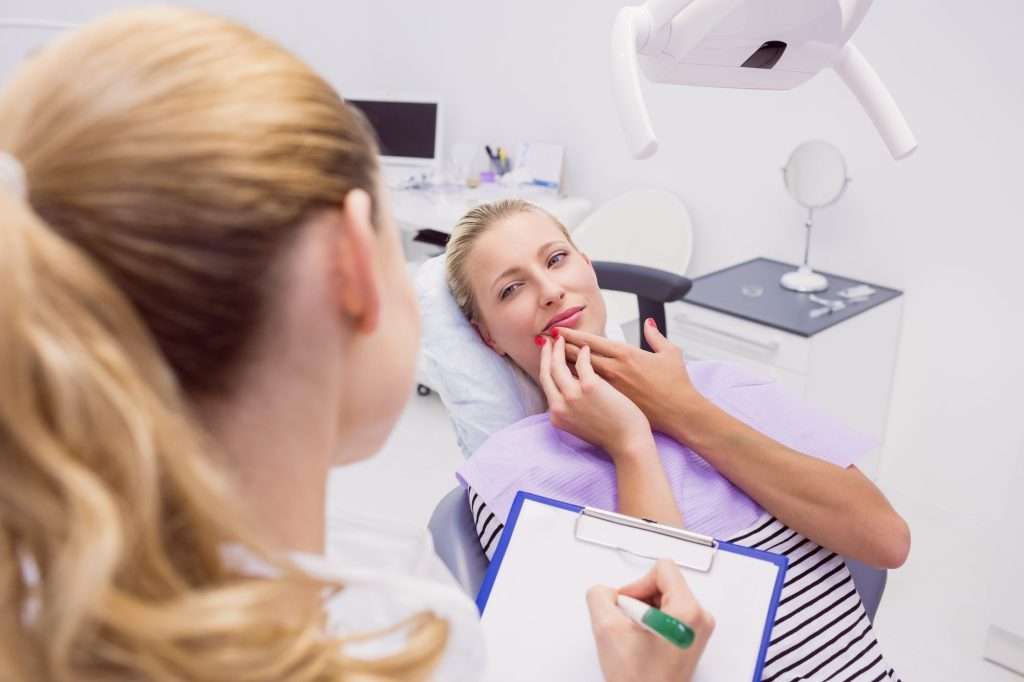
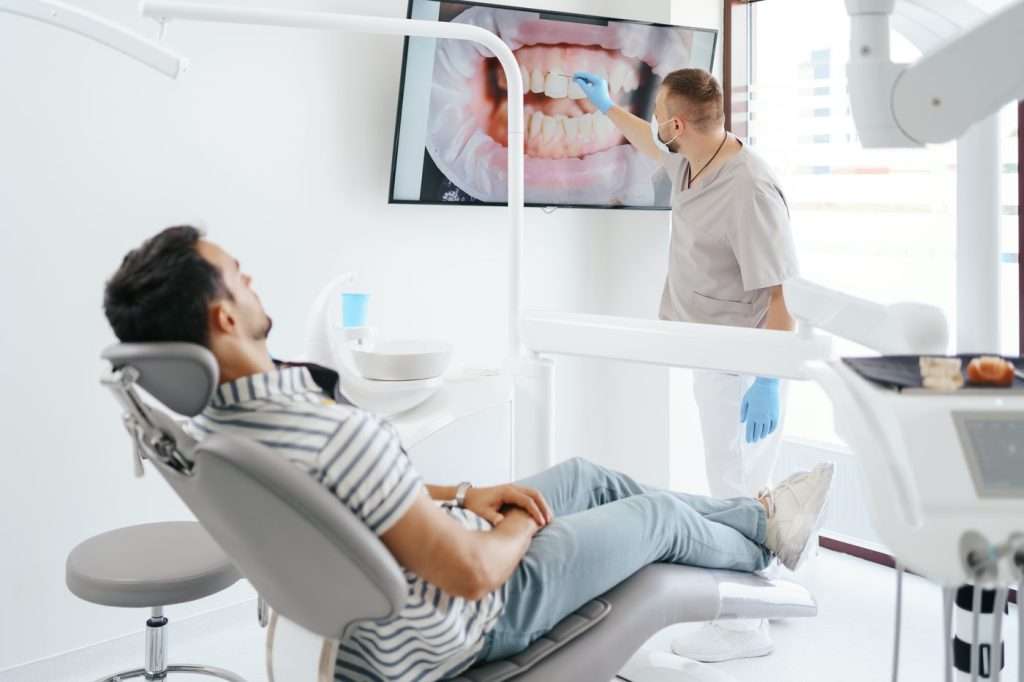
Emergency dentistry provides rapid, same-day attention to treat oral trauma, relieve severe pain, and control infection. Because dental emergencies cannot wait, patients may walk in for the treatment they need.
Some urgent problems can safely be treated within 24 to 48 hours, depending on the symptoms. The two lists below separate what needs attention today from what can wait a day or two.
If your dental problem comes with shortness of breath, an inability to swallow, a high fever, or significant trauma to the facial bones, the infection or injury may be threatening your airway or spreading beyond the mouth. Go to a hospital emergency room for immediate medical attention.
Seek same-day dental care for any of the following.
Ideally treated within 30 to 60 minutes for the best chance of saving the tooth.
May indicate a bacterial infection or abscess, and needs prompt evaluation to prevent further complications.
Heavy bleeding after an injury or extraction that does not stop after 15 minutes of firm pressure needs immediate attention.
A serious fracture can leave sharp edges, expose the inner tissue of the tooth, and cause severe pain.
A pocket of pus caused by bacterial infection in or around a tooth. Immediate care relieves the infection before it worsens.
These problems do not need attention today, but they are urgent enough to be seen within a day or two of the symptoms starting.
A chip with little or no pain and no significant bleeding can be treated at an appointment the same or following day.
Uncomfortable, but usually manageable in the meantime with an over-the-counter dental repair product.
New sensitivity to hot or cold along with persistent discomfort can point to an underlying problem.
Not life-threatening, but they should be checked to prevent damage to the soft tissue and to avoid swallowing a loose fragment.
While you wait, contact the dentist first for instructions. A lost filling can be covered temporarily with a small piece of sugarless gum. Mouth pain can often be eased with over-the-counter medication. Bleeding from trauma can be managed by placing clean gauze over the area and applying firm pressure while you seek care.
Emergency treatments are designed to give immediate relief from severe pain, trauma, or infection and to prevent long-term damage.
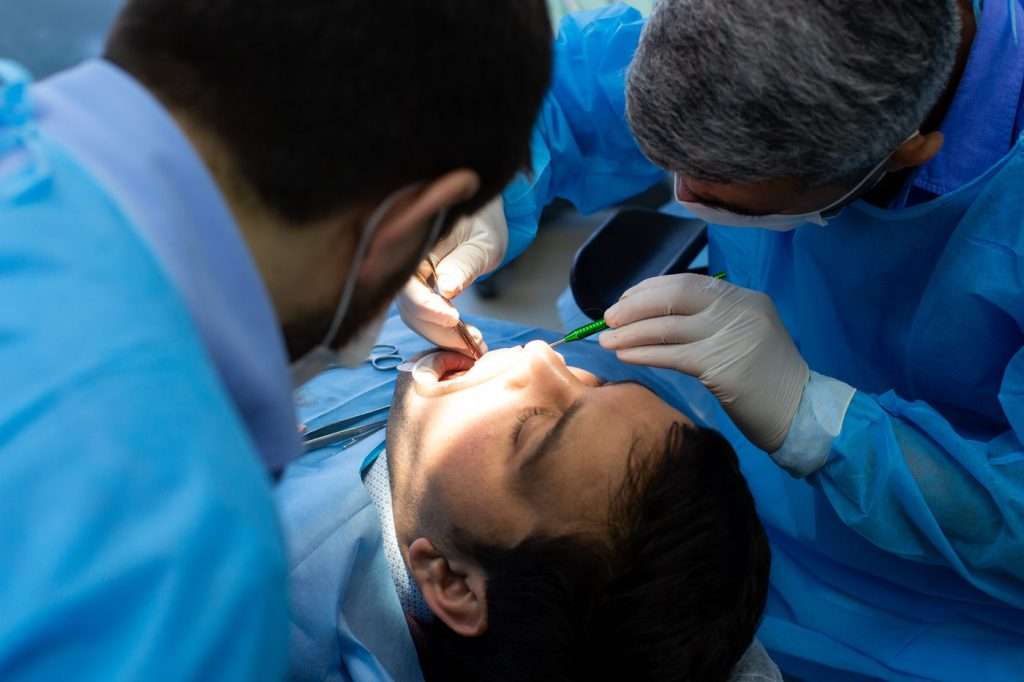
Prompt care means severe problems are treated before they escalate into serious infections or cause extensive structural damage.
Uncontrolled bleeding, swelling, severe pain, or a broken brace wire causing significant pain or injury all call for immediate care. Not all trauma needs same-day treatment, so contact your dentist to determine the nature of the emergency.
You may feel slight discomfort, but emergency care is designed to be as comfortable as possible, using pain relief techniques including anesthesia where necessary. Your dentist may recommend pain-relief medication for the recovery phase.
The American Association of Endodontists recommends placing the fragment or whole tooth in a glass of milk or an approved tooth-preservation solution until the dentist can reimplant it. This should ideally happen within 60 minutes, after which the roots begin to die.
Emergencies cannot be predicted, because injuries happen unexpectedly. But care and caution prevent some of them, and addressing minor oral issues early stops them escalating into something that needs invasive treatment.
A restorative emergency repairs physical damage such as a broken crown or a chipped tooth. Other emergencies involve infection, bleeding, or soft-tissue injury. A restorative emergency fixes structural problems to restore function and prevent further complications.
Ignoring dental problems worsens existing issues and leads to additional complications. Preventive care maintains long-term oral health, and emergency procedures protect your oral health and function from further damage.
Time matters with dental emergencies. If you have difficulty breathing or swallowing, facial swelling, or a high fever, go to the ER immediately. For everything else, call us right away and we will treat it today.