Tooth loss can be a worrying experience that affects your self-esteem in everyday life. It can follow decay, gum disease, injury, or other health factors. Dentures and partials replace missing teeth with removable prosthetics, restoring everyday functions like eating and speaking and helping prevent further oral health problems.
At Gray Family Dental, we provide high-quality dental care in Janesville and the surrounding area, including dentures and partial dentures. If you are missing one or more teeth, or want to learn more about the available options, book an appointment with us.
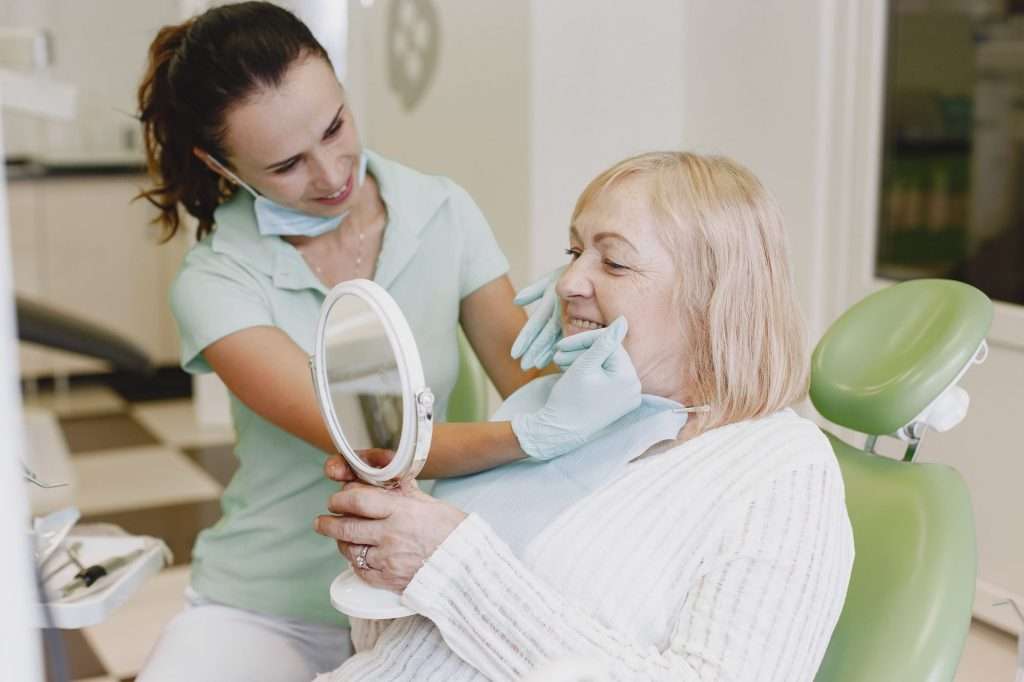
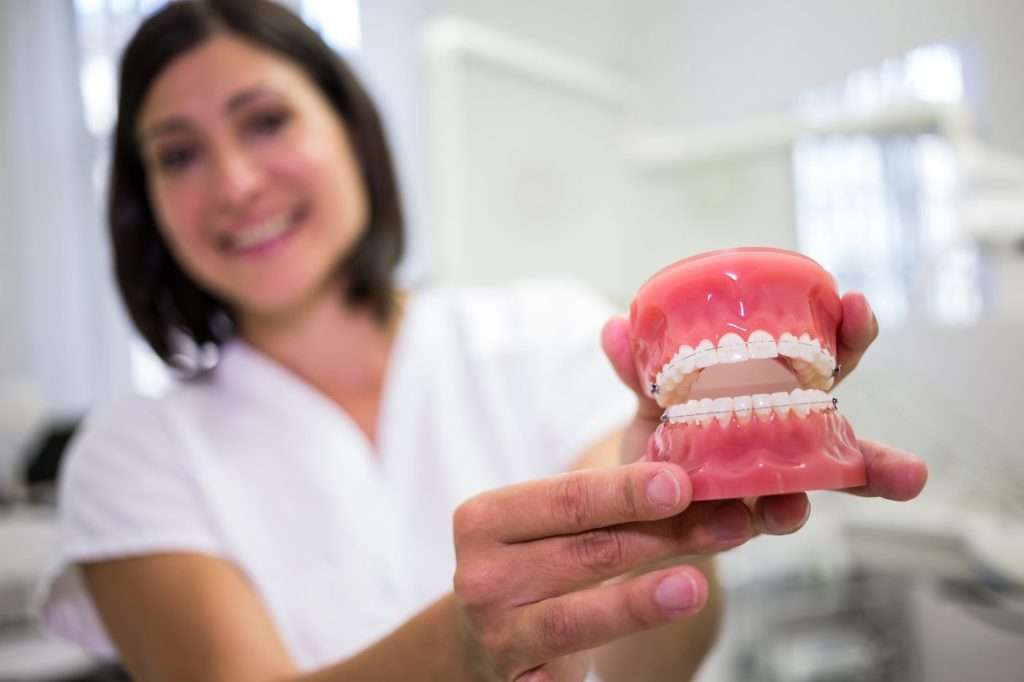
Dentures are removable dental appliances, typically made from plastic, porcelain, or composite resin, that replace missing teeth. They can last anywhere from five to ten years, though the need for replacement depends on things that affect fit – changes in the jaw and gum tissue, the quality of the material, and how well the dentures are cared for.
Dentures are often chosen over longer-lasting solutions such as implants because they cost less, are ready sooner, and are far less invasive.
Fitting dentures is usually spread over a few weeks, starting with an impression of your mouth and ending with post-fitting adjustments.
The first step captures an accurate blueprint of your mouth, taking in every ridge and curve. Your bite is then registered by biting into a wax block, which measures how the upper and lower jaws come together.
Next you try a replica made by our lab to preview the shape of the teeth and adjust the fit or color if needed. This also confirms your everyday oral functions are unaffected, including how the teeth affect pronunciation.
The third appointment fits you with the completed acrylic dentures. Your dentist adjusts them to sit comfortably – smoothing uneven edges, checking bite and jaw alignment, and looking for tight spots.
A follow-up a day or two later clears up any sore spots and other issues that appear once you start wearing them. Your dentist uses diagnostic tools to locate and fix problem areas.
Patients can choose between full and partial dentures, with or without implant support. Your dentist will help you decide which suits your mouth and your budget.
Replace a complete set of teeth and sit directly on the gums. Used by anyone who has lost almost all the teeth in an arch. Eligible patients may opt for immediate placement, with the dentures prepared and placed the same day as the extraction.
For patients who still have healthy teeth remaining. The artificial teeth sit on a gum-colored base, usually held by clasps attached to nearby teeth. The remaining teeth provide the support while the partial fills the gap.
Blends dental implants with dentures. Rather than anchoring each tooth individually, several implants hold the full upper or lower set in place. This can be done for partials too, and the result may be fixed or removable.
For patients who want to keep the ability to remove their dentures but like the stability of implants. Useful when few or no natural teeth remain, as the implants act as anchors for the denture to sit on.
Many people assume dentures are appliances you can take out and set on the bedside table. Like natural teeth, they need proper care and ongoing maintenance to stay in good condition.
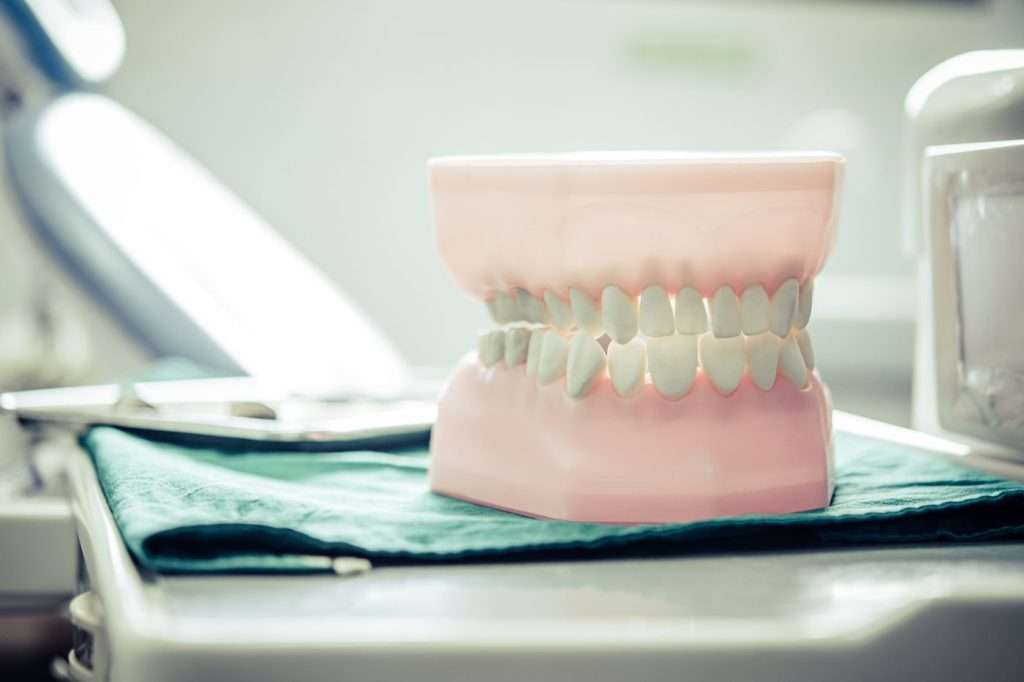
Dentures can improve the appearance and shape of your facial structure, filling out the hollow cheeks that become more noticeable after tooth loss. A full set of teeth also helps your confidence and self-esteem.
As with braces, it takes some time to get used to wearing dentures for everyday functions like eating and speaking, and you may feel slight discomfort in the first few weeks. It gets easier with time. In the beginning we recommend staying away from sharp-edged, tough, sticky, and very hot foods to make the adjustment easier.
Wearing dentures can be uncomfortable at first, and in some cases leads to mild irritation, swelling, redness, or denture stomatitis. This comes down to a number of factors, including poor denture hygiene, wearing them overnight, and microbial buildup in the warm, humid environment inside the mouth. A good hygiene routine for your dentures mitigates much of this.
Patients who have lost all their natural teeth may use adhesives to improve stability when bone and gum changes affect the fit. Patients moving to full dentures may also use them for additional support. Adhesive can also help people with neurological disabilities, anatomical challenges, or those taking certain medications.
Dentures are often the more affordable option, but the cost varies – jawbone density, oral health, overall health, and insurance coverage all affect the final figure. Dental insurance may cover part of it, though there may be a waiting period before major services are covered and a pre-existing condition limitation. Your insurance provider can explain the limits and exclusions of your coverage.
Dentures and partials can restore missing teeth, improve oral function, and help you feel more confident in your smile. Call us to schedule an appointment and find out which tooth-replacement option is right for you.